Prologue to Modern Vedic Astrology

The sources of Vedic soothsaying (or "Jyotish" in Sanskrit) can be followed back a huge number of years into the cloudy fogs of days of yore. Dissimilar to Western crystal gazing, notwithstanding, Vedic soothsaying has a pretty much solid chain of literary sources. This has made a genuinely stable group of practices and procedures that I trust shapes the reason for a predominant prescient mysterious framework. Many years prior, Western crystal gazing likewise more centered around the unceasing worries of the human condition - What does the future hold? Will I be rich? Will my friends and family be protected from hurt? Yet, the impact of innovation and the improvement of therapy in the twentieth century changed western crystal gazing's accentuation from forecast to mental profiling and upgraded self-comprehension. With the happening to the 21st century, maybe the pendulum as swung back the other path as more individuals are looking for direction on life's more realistic concerns.
Two Zodiacs
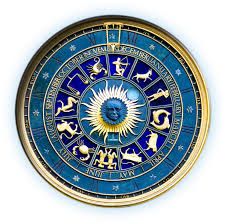
While there are numerous distinctions in the two frameworks, the most essential one is the zodiac. While the two frameworks utilize the 12 signs we as a whole know, they utilize distinctive perspectives for Aries, the beginning stage of the zodiac. The tropical zodiac utilized by most western soothsayers places 0 degrees of Aries at the spring equinox on March 21. The sidereal zodiac utilized by Vedic stargazers, in any case, utilize a settled star reference from which to start the primary sign. The distinction is because of a moderate development (one degree like clockwork) of the Earth and the nearby planetary group through the universe. This heavenly marvel is known as the precession of the equinoxes. Two thousand years prior, there was no distinction in the two zodiacs. After some time, the hole expanded with the goal that presently there is just about a 24 degree slack between the tropical and sidereal zodiac.
Albeit the two zodiacs may have their utilization in mysterious work, the sidereal zodiac utilized by Vedic soothsaying is a more exact portrayal of the stars in the sky. Utilizing the star positions as the reference point as opposed to the Earth's position in respect to the Sun implies that the stars that include the 12 groups of stars are put accurately in the sidereal zodiac. Aldebaran is accurately put in the star grouping Taurus - the "dead center" - as opposed to in Gemini as the tropical zodiac does, and Antares is legitimately put in sidereal Scorpio instead of in tropical Sagittarius. When you gaze toward the sky during the evening, this is the place you can discover these stars, right in their appropriate groups of stars. As far as I can tell, I trust the sidereal zodiac conveys better outcomes, albeit some regarded celestial prophets may at present give precise forecasts utilizing the tropical zodiac. Given the various variables that become an integral factor in perusing a diagram, it's conceivable to in any case make helpful bits of knowledge paying little mind to the zodiac one employments. A few crystal gazers with a working learning of both may even demand that "both" zodiacs might be right: the sidereal places of the planets may address some more profound, outer realities like fate and life results while the regularly inferred tropical zodiac of the Western world may better address cognizance and brain research. When I'm in a more broad disposition, I might be influenced this is the situation. In any case, the zodiac level headed discussion may proceed for quite a while to come as it might be exceptionally hard to negate either.
So around 3/4 of the general population who have their Sun in one sign in the western framework will really have it set in the past sign in the Vedic framework. Discovering that you're Sun is very sidereal Sagittarius, for instance, can be somewhat startling at in the first place, particularly on the off chance that you've grown up considering yourself a "Capricorn"and have self-related to those Capricornian characteristics. Characters and identity can be shapeless things without obviously characterized limits or characteristics. The main thing I would state to this problem is that perceive that the Sun sign - whether sidereal or tropical - isn't the most important thing in the world of our mysterious personality. Since there are 9 different planets each conveying their own arrangement of imagery, there might be different manners by which that tropical Capricorn vitality shows itself in your horoscope, now that you've found that your Sun is in sidereal Sagittarius.
The Sun sign isn't as key to the Vedic diagram as it is toward the western outline. When somebody asks you "what's your sign?" in India, they are not alluding to your Sun sign. They are typically alluding to your rising sign or ascendant, which changes at regular intervals or so amid any given day. In my view, the rising sign might be a superior shorthand approach to comprehend a man's fundamental introduction in life than their Sun sign. The Moon sign is more often than not next in significance for understanding the general shapes of identity, with the Sun coming in third. In any case, where the natal diagram isn't known, the Sun sign is as yet a decent place to begin.
Dashas: The Great Vedic Invention
The other focal contrast in the two ways to deal with crystal gazing can be found in the Vedic idea of the "dasha" or planetary period. Basically, the dasha framework is a succession in which planets practice a disporportionate planetary effect on our lives for indicated timeframes. Amid the length of the time of one planet, the individual will encounter their lives as indicated by the specific state of that planet in their introduction to the world graph. So for instance, if a man is right now running a Mars period in their graph and the Mars is put in their tenth place of vocation and is conjunct the benefic planet Jupiter, at that point its possible that the individual will encounter extraordinary achievement in their profession for the length of Mars' period. On the other hand, a man who has a gravely put Jupiter or Mercury that is distressed by malefics will probably endure some hardship amid the time that its period is running as per its home situation and rulerships. While a few planets are viewed as benefic in their belongings (Venus, Jupiter, Moon and Mercury), recall that the appraisal of a dasha's belongings will as a rule have more to do the state of the planet in the outline - it's impermanent condition - than its normal qualities.
In the most usually utilized framework, the Vimshottari framework, this arrangement is as per the following:
1.Ketu (south lunar hub) 7 years
2.Venus 20 years
3.Sun 6 years
4.Moon 10 years
5.Mars 7 years
6.Rahu (north lunar hub) 18 years
7.Jupiter 16 years
8.Saturn 19 years
9.Mercury 17 years
Altogether the cycle keeps going 120 years, reflecting maybe the length of a perfect human life. Where the dasha grouping starts for every individual relies upon the situation of their Moon or Ascendant, contingent upon which dasha framework one is utilizing. What's critical to note is that each individual begins at a better place in the cycle, however everybody travels through this interminable 'tape circle' similarly, so the Saturn time frame dependably takes after a Jupiter period, Mercury dependably takes after Saturn, and Ketu dependably takes after Mercury et cetera.
The dasha framework presents another level of comprehension of planetary development that is precious for forecast. While the two ways to deal with soothsaying keep up that occasions can happen when a planet is traveling through the position involved by another planet (called a "travel") at the season of a man's introduction to the world, the Vedic approach says this travel relationship alone is lacking clarification of an occasion and will frequently prompt broken expectations. Normally an occasion can just happen is there is a proper dasha period as a result. Taking our past case of the individual with the Sun-Jupiter conjunction in the tenth place of vocation, if Jupiter was traveling an indistinguishable point in the sky from the Sun amid the Sun time frame, at that point "that" would be a key minute in profession advancement and would almost certainly appear as an advancement or raise. Assuming be that as it may, an alternate planetary period was running, say, Mercury, at that point the constructive outcomes of the Jupiter travel to the Sun would not be as solid. The soothsayer would be more hesitant to anticipate great things for the customer and relying upon different elements, maybe nothing helpful to profession would happen. All on the grounds that the current dasha period was not helpful for vocation development in the graph.


Comments
Post a Comment